
Bare-metal Stent, Drug-eluting Stent, and Covered Stent in Nice
Dr. Ilya Khantalin, Vascular Surgeon in the Alpes-Maritimes
Bare-metal Stent / Drug-eluting Stent / Covered Stent
Dr. Ilya Khantalin in Nice
The use of stents is a modern and most common practice in endovascular surgery, particularly for the treatment of arterial diseases. Today, it accounts for 75% to 95% of all vascular surgical procedures.
In this context, Dr. Ilya Khantalin, vascular surgeon in Saint-Laurent-du-Var, offers a detailed explanation of the different types of stents used in vascular surgery: bare-metal stents, drug-eluting stents, and covered stents. These medical devices are essential for treating narrowing or obstructions in blood vessels, particularly arteries, and improving blood circulation.
Endovascular techniques are now the most modern and widely used approaches by vascular surgeons, in accordance with the recommendations of the French National Authority for Health (HAS) and integrated into standardized surgical protocols.
Vascular diseases are classified as Long-Term Illnesses (Affections de Longue Durée – ALD), allowing for 100% coverage by French Social Security.
What is a Stent?
Vascular Surgeon in Saint-Laurent-du-Var
A stent is a small tubular metallic device—made from shape-memory alloys (commonly nickel, titanium, or cobalt)—that is inserted into an artery or vein to keep it open after treatment, thereby restoring normal blood flow. These devices are used to treat various vascular conditions such as atherosclerosis (arterial narrowing), arterial stenoses, or arterial dissections, which can lead to serious health risks, including stroke or myocardial infarction.
Bare-metal / Drug-eluting / Covered Stents
Specialist in Vascular Surgery in Saint-Laurent-du-Var
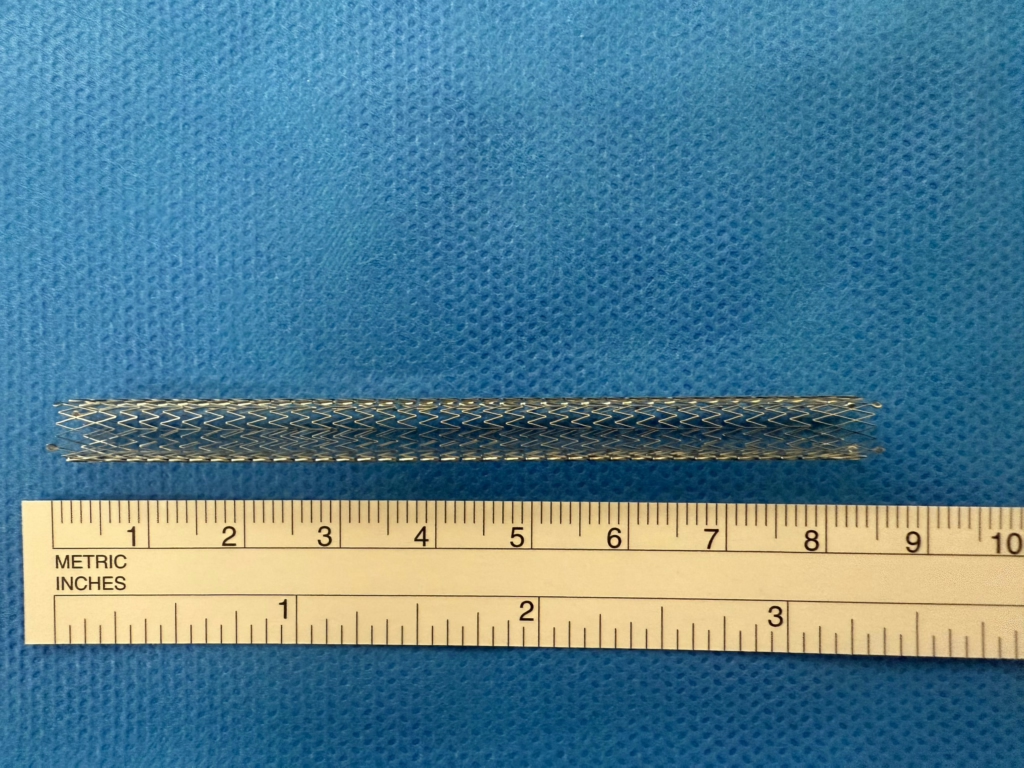
Bare-metal Stent
The bare-metal stent, or standard stent, is the most basic type. It is made solely of metal (typically nickel-titanium alloy or stainless steel) and has no special coating. Its function is to keep the artery open after balloon dilation (angioplasty), thus allowing for proper blood circulation.
Indications for Bare-metal Stents
Bare-metal stents are primarily indicated in cases where the artery is significantly narrowed but without high risk of thrombosis or restenosis after implantation. They are suitable when the arterial anatomy is favorable for stenting without additional treatment, particularly in simpler vascular pathologies.
Post-implantation Follow-up
After placing a bare-metal stent, clinical follow-up is necessary to ensure that the artery remains open and to prevent blood clot formation. Anticoagulant or antiplatelet therapy may be prescribed depending on the patient’s condition. Regular monitoring, including Doppler ultrasound exams, may be conducted to assess stent efficacy.
Drug-eluting Stent
The drug-eluting stent is coated with medication (e.g., paclitaxel) that is gradually released after implantation. This medication helps prevent restenosis (re-narrowing) by inhibiting cell proliferation that could otherwise re-block the artery. These stents are typically coated with biocompatible polymers to allow for controlled drug release.
Indications for Drug-eluting Stents
Drug-eluting stents are mainly used in cases such as peripheral artery disease with complex atheromatous lesions, particularly when there is a high risk of restenosis after endoluminal angioplasty. They are frequently used for lesions of the superficial femoral arteries in the lower limbs, as well as in coronary arteries where recurrence risk is high.
They are also recommended for patients with prior restenosis, or those with high-risk factors such as diabetes, hypertension, or hypercholesterolemia. The anti-proliferative drug release helps reduce complications and ensures longer-lasting treatment results.
Post-implantation Follow-up
Close follow-up is essential. Patients generally require long-term antiplatelet therapy to prevent clot formation. Monitoring includes Doppler ultrasound or, in some cases, CT angiography to assess stent function and check for complications such as thrombosis or infection.

Covered Stent
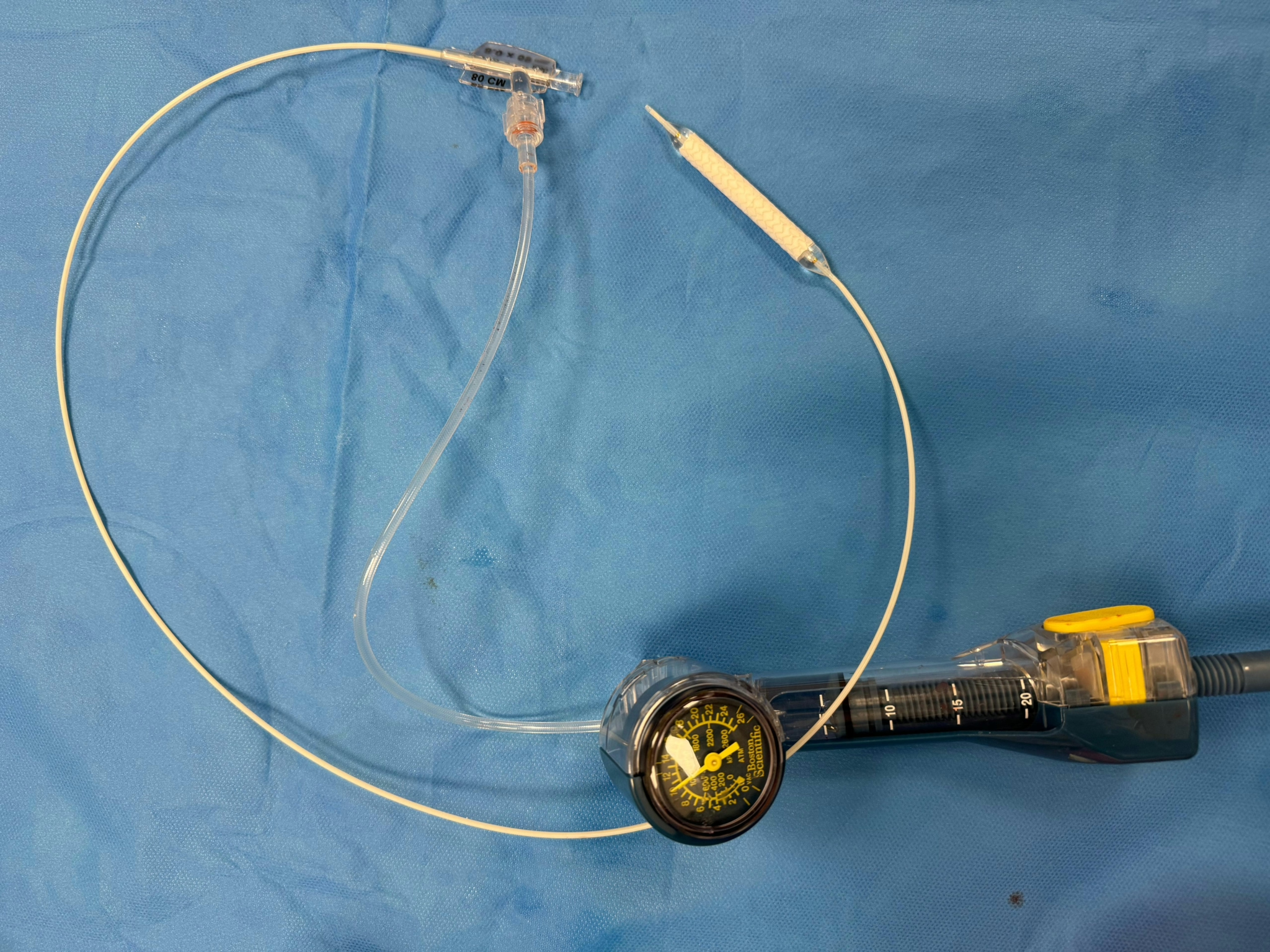
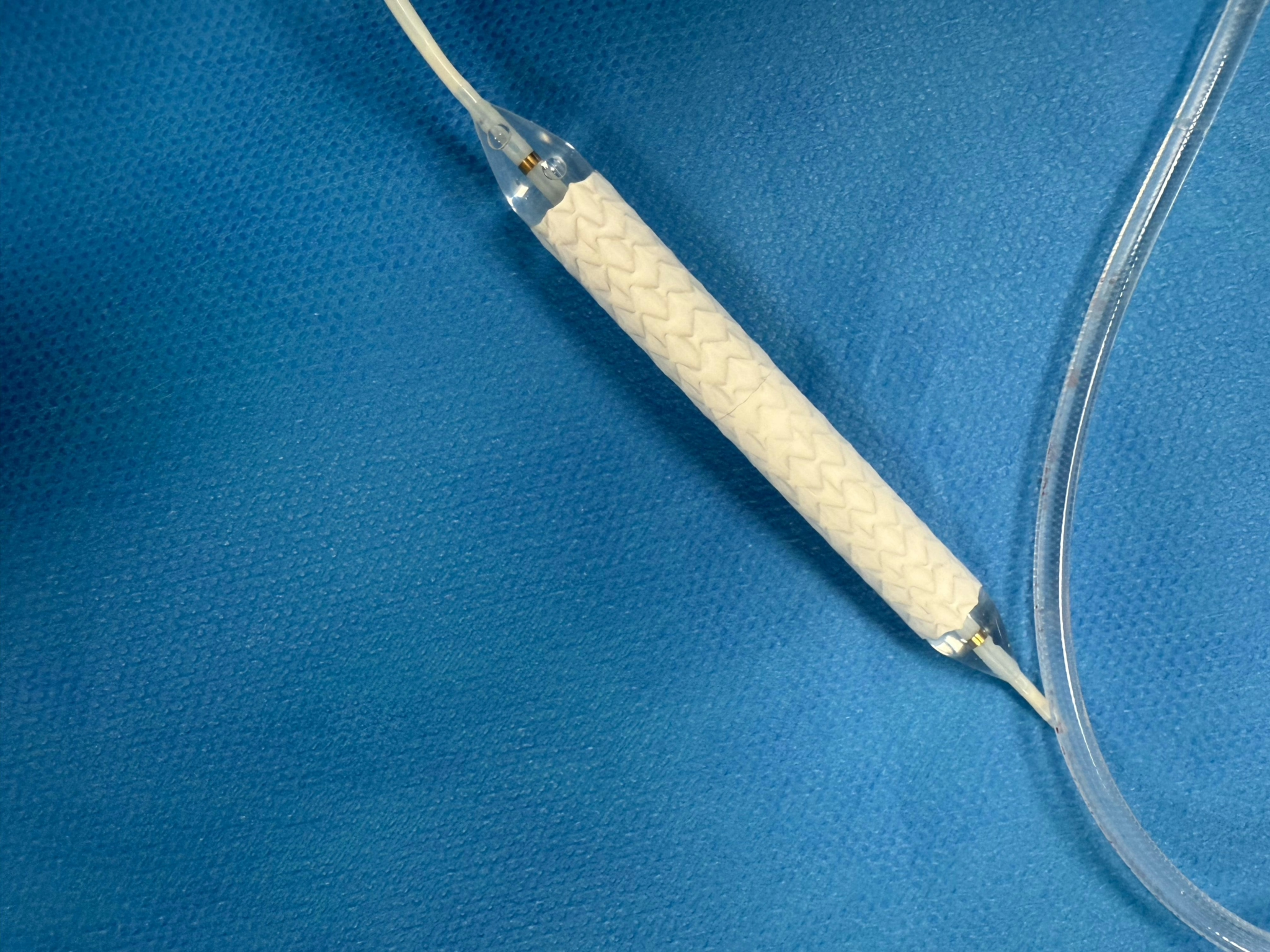
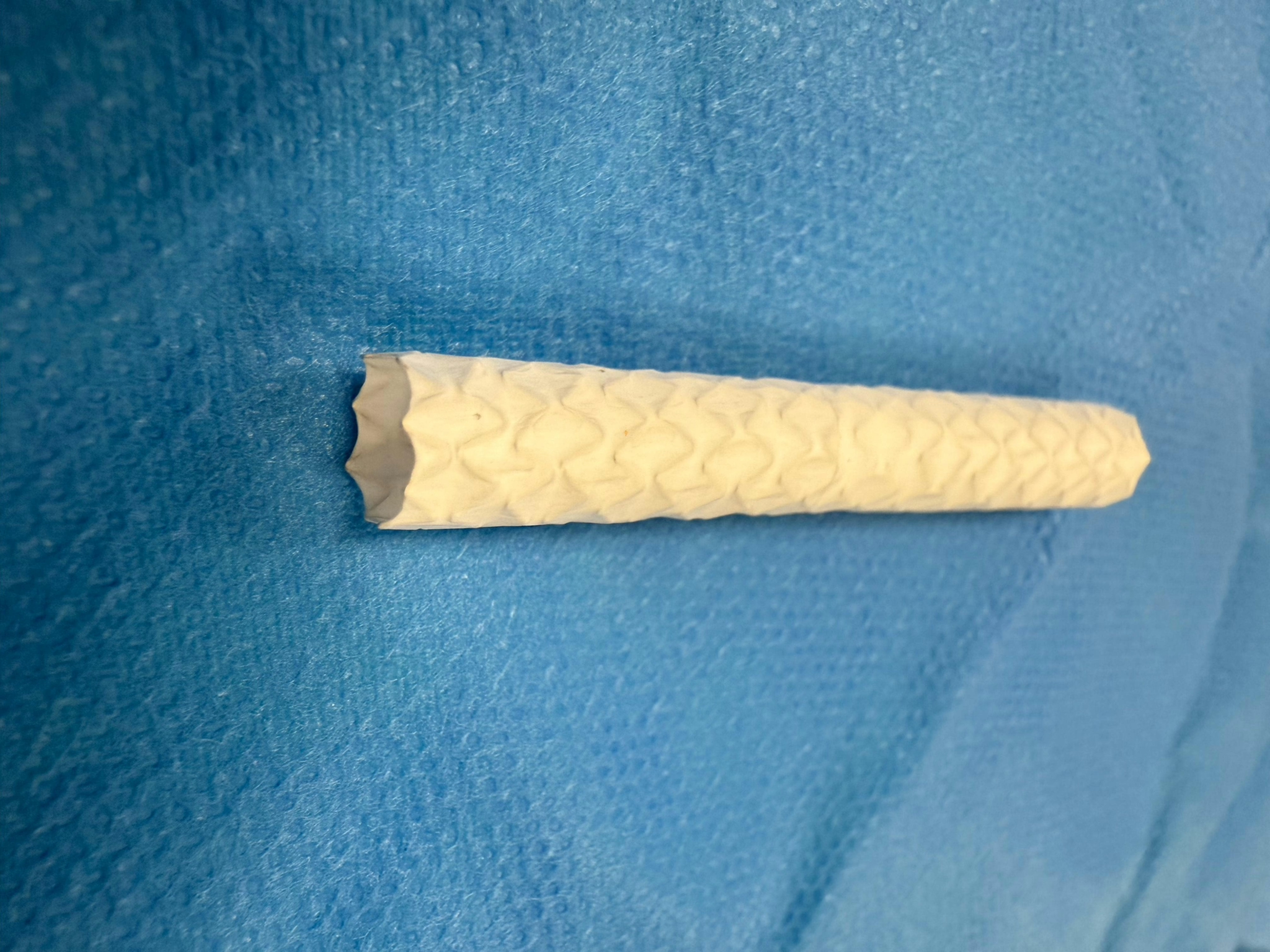
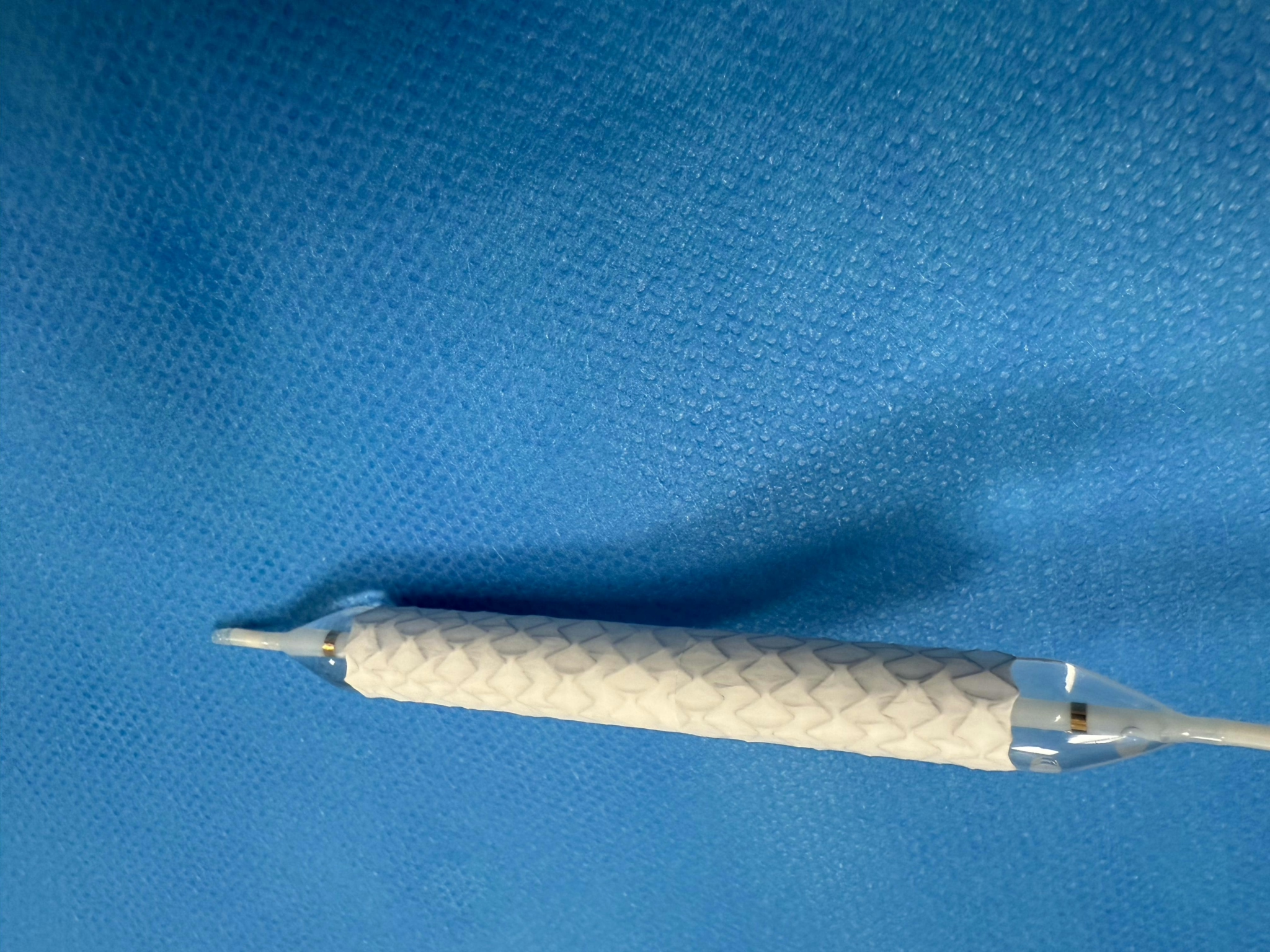
A covered stent is coated with a synthetic material (typically fabric or polymer), making it leak-proof. It is particularly useful for treating vascular pathologies where a bare-metal stent alone is insufficient, especially in cases involving abnormal vascular communications or leaks.
Indications for Covered Stents
Covered stents are used in complex scenarios where the vessel wall requires additional support or sealing. They are often indicated for arterial dissections, aneurysms, or arteriovenous fistulas. The synthetic coating helps both to maintain vessel patency and to prevent blood leakage, which is critical in specific interventions.
Post-implantation Follow-up
As with other types of stents, follow-up is essential. Monitoring includes assessing the stent’s seal and vessel patency. Imaging (CT scan, Doppler ultrasound, or angiography) is frequently used to detect any complications. Anticoagulant therapy may also be necessary to prevent thrombus formation.
Stents—whether bare-metal, drug-eluting, or covered—are strictly regulated medical devices essential for the treatment of vascular diseases. The choice of stent depends on various factors, including disease complexity and recurrence risk.
Dr. Khantalin
Dr. Ilya Khantalin, vascular surgeon in Saint-Laurent-du-Var, provides personalized care and adapted solutions based on your clinical condition. Comprehensive follow-up and preventive management are crucial to ensure the effectiveness of treatment and long-term vascular health.
For questions or consultations, do not hesitate to contact Dr. Ilya Khantalin, your vascular surgery specialist in Saint-Laurent-du-Var near Nice.